Blog

  • The Ultimate Guide to Earning Money with Online Surveys

    The Ultimate Guide to Earning Money with Online Surveys

    Earning money by filling out surveys is a popular side hustle. While it won’t replace a full-time job, it can be a great way to earn extra cash or gift cards during your downtime. This guide will walk you through the legitimate platforms, strategies to maximize your time, and how to spot scams.

    ๐Ÿš€ Reality Check: What to Expect

    • Income Potential: Realistically, you can expect to earn $30โ€“$100+ per month if you are consistent.
    • Time Commitment: Most surveys take 5โ€“20 minutes.
    • Consistency is Key: You won’t qualify for every survey. Earning requires patience.

    ๐Ÿ† Top Legitimate Survey Platforms

    There are dozens of sites, but these are widely considered the most reliable and consistent.

    1. Swagbucks

    • How it works: Earn “SB” points for surveys, watching videos, and shopping online.
    • Payout: PayPal cash, Amazon gift cards, and other major retailers.
    • Best for: Variety. If you get bored of surveys, you can play games or watch clips.
    • Minimum Payout: Low (often starting at $3 for gift cards).

    2. Survey Junkie

    • How it works: Purely focused on surveys. You build a profile and get matched with opportunities.
    • Payout: PayPal or e-Giftcards.
    • Best for: People who just want to answer questions without distractions.

    3. Prolific

    4. InboxDollars

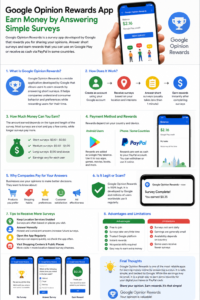
    5. Google Opinion Rewards

    ๐Ÿ’ก Strategies to Maximize Earnings

    You can spend hours on these sites and earn pennies if you aren’t careful. Use these tips to work smarter.

    1. Create a Dedicated Email

    Survey sites send a lot of emails. Create a separate Gmail account specifically for these platforms so your main inbox doesn’t get cluttered.

    2. Fill Out Your Profile Completely

    The “Demographic Profile” is the most important step.

    • Why: Sites use this to match you with surveys.
    • Tip: Be honest. If you say you have 2 kids and a dog, you’ll get pet and parenting surveys. If you lie, you’ll eventually get caught by consistency checks.

    3. Be Fast, but Not Too Fast

    • The Trap: Survey algorithms check how long you take. If you speed through checking random boxes, you will be disqualified or banned.
    • The Strategy: Read the questions. Some include “trick” questions (e.g., “Select the color Blue to show you are paying attention”) to catch bots.

    4. Don’t Disqualify Yourself

    Surveys often start with “Screener” questions to see if you are their target audience.

    • Question: “Do you work in advertising, marketing, or market research?”
    • Answer: No. (If you work in these fields, you are usually biased and will be disqualified immediately).

    5. Cash Out Early and Often

    Don’t let hundreds of dollars sit in your account. If your account gets flagged or the site shuts down, you lose it all. Cash out as soon as you hit the minimum threshold.

    ๐Ÿšฉ Red Flags: How to Avoid Scams

    The survey industry is full of scams. If you see these signs, close the tab immediately.

    • Pay to Join: Legitimate survey sites are always free. If they ask for a “membership fee,” it is a scam.
    • Too Good to Be True: “Earn $500 for a 5-minute survey!” This is a lie. It is likely a phishing attempt to get your data.
    • Requests for Sensitive Info: A survey site needs your age and zip code. They do NOT need your Social Security Number (SSN), credit card number, or bank login details.
    • Communication off-platform: If a “recruiter” asks to chat on WhatsApp or Telegram, run away.

    ๐Ÿ“ Quick Start Checklist

    1. [ ] Create a dedicated “Survey Email” address.
    2. [ ] Sign up for Swagbucks and Survey Junkie (good starting points).
    3. [ ] Complete the demographic profile honestly.
    4. [ ] Download the apps to do surveys during your commute or downtime.
    5. [ ] Set a goal (e.g., “$50 for holiday gifts”) to stay motivated.

    Good luck! Remember, this is a marathon, not a sprint.

  • How to Earn Money as a Product Tester

    There are two primary ways to earn: Direct Cash or In-Kind Rewards (free products). While most casual testers earn between $100 and $1,000 per year, professional user testers can make significantly more.

    1. Join Market Research Panels

    These are the “middlemen.” Companies like Pinecone Research or Toluna pay you to test concepts or physical samples.

    • The Pay: Usually $3โ€“$10 per test or points redeemable for PayPal cash/gift cards.
    • The Effort: You fill out a screener; if you match the demographic, they mail you the product.

    2. Digital Usability Testing

    This is where the real money is. Platforms like UserTesting or Trymata pay you to navigate a website or app while recording your screen and voice.

    • The Pay: Typically $10 for a 20-minute test. Some live interviews pay up to $120 per hour.
    • The Effort: You need a quiet room and a microphone.

    3. Brand-Specific Communities

    Many major brands have their own “inner circles.” They don’t always pay cash, but they send full-sized products (sneakers, appliances, electronics) for you to keep.


    Top Brands & Platforms Offering Testing in 2026

    ๐Ÿ‘Ÿ Nike Product Testing

    Nike has one of the most prestigious programs. If accepted, they send you prototype shoes or apparel. You wear them for a few weeks, log your athletic data, and then return them (though some programs let you keep the gear).

    • Best for: Athletes and fitness enthusiasts.

    ๐Ÿงด Lโ€™Orรฉal & Johnson & Johnson

    The Lโ€™Orรฉal Consumer Testing Program and J&Jโ€™s Friends & Neighbors are the gold standard for beauty. You can test skincare, hair color, and makeup before they hit the shelves.

    ๐Ÿ‘• Uniqlo Sampling Program

    Uniqlo often runs sampling events through their app. Users who leave reviews on previous purchases are frequently selected to receive new seasonal items for free.

    ๐Ÿ–ฑ๏ธ UserTesting & BetaTesting

    • UserTesting: The largest platform for testing digital products for companies like Adobe and Microsoft.
    • BetaTesting: Great for “techies.” You might test a new smart home device or a pre-release video game. Payouts range from $10 to $100 per test.

    ๐Ÿ• McCormick Consumer Testing

    If youโ€™re a “foodie,” McCormick pays consumers to participate in taste tests. These can be home-use tests or in-person sessions (if you live near their testing hubs).


    3 Steps to Get Started Today

    1. Create a Dedicated Email: Use a separate email address for your testing accounts. You will receive a lot of invitations, and you don’t want them buried in your primary inbox.
    2. Complete Your Profile Fully: Platforms use “screener” questions. If your profile is 100% complete, the algorithm is more likely to match you with a product (e.g., if you don’t list that you have a cat, youโ€™ll never get the high-paying pet food tests).
    3. Be Honest and Detailed: If you give one-word answers, you will be “blacklisted.” Brands want to know why you liked or disliked a product. Detailed feedback ensures you get invited back.

    Warning: Never pay to join a product testing site. Legitimate companies pay you. If a site asks for a “registration fee,” it is a scam.

    One of the most popular and practical examples of household product testing is the Tide vs. Gain campaign, often run by their parent company, Procter & Gamble (P&G).

    Because these two brands dominate the market but serve different needsโ€”Tide for “superior cleaning” and Gain for “scent and freshness”โ€”P&G frequently recruits real households to compare them.

    How the “Tide vs. Gain” Testing Works

    Brands often run these as Blind A/B Tests. You aren’t just getting free detergent; you are participating in a scientific study to see if the “scent” of Gain actually makes people feel like their clothes are cleaner than the high-efficiency “stain-fighting” formula of Tide.

    • The Shipment: You typically receive two unbranded bottles (labeled “A” and “B”) or one specific brand to use for two weeks.
    • The Task: Youโ€™ll be asked to wash specific itemsโ€”like gym clothes or kids’ muddy play outfitsโ€”and record the results.
    • The “Scent” Factor: Many of these tests focus on scent longevity. You might be asked to smell a shirt immediately after drying, and then again 48 hours later.

    Benefits of Joining This Campaign

    1. High-Value Essentials: Laundry detergent is expensive. A single testing cycle can provide you with 2โ€“3 months’ worth of premium detergent for free.
    2. Influence Future Formulas: Your feedback helps P&G decide if they should add more “stain-lifting enzymes” to Gain or more “fragrance pearls” to Tide.
    3. Bonus Rewards: Most P&G testing participants receive “Power Points” or gift cards (like Amazon or Walmart) through the P&G Good Everyday rewards program as a thank-you for their data.

    How to Find This Specific Campaign

    Since Tide and Gain are both P&G brands, you won’t find this on a random “freebie” site. You need to go to the source:

    • P&G Good Everyday: This is their official consumer hub. By signing up and taking their initial “Laundry Habits” survey, you put yourself on the list for future home-use tests.
    • P&G Consumer Panels: They have dedicated panels (like the Procter & Gamble Consumer Research panel) specifically for physical product trials.

    Conclusion

    Product testing is a unique side hustle where your honesty is your currency. In 2026, as brands face a sea of AI-generated content, your authentic, human perspective has never been more valuable.

    While it is rarely a “get rich quick” scheme, it offers a consistent way to supplement your income, upgrade your lifestyle with free high-end goods, and influence the development of products you use every day. By staying organized, providing high-quality feedback, and joining multiple reputable panels, you can transform from a casual reviewer into a trusted brand partner.

    Key Takeaways for Success:

    • Consistency: Check your portals and email daily to catch high-paying opportunities before they fill up.
    • Quality Over Quantity: One detailed, thoughtful review is worth more for your reputation than ten rushed ones.
    • Security: Protect your personal data by sticking to verified platforms and never paying for a membership.

  • The Hidden Forces That Control over Dollar in Your Wallet โ€“ Economists Are Shocked!

    The Hidden Forces That Control over Dollar in Your Wallet โ€“ Economists Are Shocked!

    Interest rates have a significant impact on borrowing costs, investment choices, and the general dynamics of the financial system. Examining the various economic variables, laws, and market circumstances that affect interest rates collectively is necessary to comprehend the dynamics that influence them.

    The Role of Central Banks and Monetary Policy

    Central banks are one of the biggest factors influencing interest rates, mostly through their monetary policy decisions. Central banks indirectly influence rates throughout the economy by establishing benchmark rates, such as the US federal funds rate. While decreasing rates can boost economic activity during slowdowns, central banks frequently raise rates to calm demand and limit price growth when inflationary pressures increase.

    โ€œWe think the neutral nominal fed funds rate is 3 percent to 3.5 percent,โ€ according to economist Mike Fratantoni, indicating the standard by which central banks make their policy decisions.

    Inflation Expectations and Economic Growth Prospects

    Interest rates and inflation expectations are strongly related. In order to offset the potential decline in purchasing power, lenders and investors want higher interest rates when they expect inflation to increase. On the other hand, rates are often lower in an environment with low inflation. Interest rates are also influenced by economic growth estimates; strong growth prospects tend to raise rates because of increased demand for capital, while negative growth prospects cause rates to decline.
    โ€œInflation is slowing, but reductions are now harder to achieve, so it will take several months for inflation to fall and stay around a level that the Fed is comfortable with,โ€ warns economist Bernard Markstein, highlighting the fine line that must be drawn when adjusting interest rates to reflect the state of the economy.

    Supply and Demand for Credit

    Interest rates are greatly influenced by the equilibrium between the demand for borrowing and the supply of savings. Lending institutions have more money to offer when savings are plentiful, which can lower interest rates. On the other hand, increasing demand for loans drives up rates, particularly when savings are scarce. The risk tolerance of market players also matters; increased borrower risk leads lenders to raise rates in retaliation.

    Global Economic Environment and Capital Flows


    International capital flows and comparative returns have an impact on interest rates in a global economy that is interconnected. Higher interest rates draw in foreign investment, which affects domestic liquidity and currency rates. On the other hand, as investors switch their preferences between safe and risky assets, global financial uncertainty may cause โ€œflight to safetyโ€ phenomenon, which could affect rates.

    The Fundamental Influence: Interest Rates as Economic Gravity

    The famous businessman Warren Buffett has said that interest rates are โ€œto asset prices like gravity is to the apple.โ€ Everything in the economic cosmos is powered by them. This comparison emphasizes how interest rates have a fundamental influence on financial decision-making and all economic assessment. Buffett made it clear that interest rates have a 100% impact on a companyโ€™s worth. The present value will decrease with increasing interest rates.


    Technological Advances and Financial Innovation


    Over time, technological advancements and financial market innovations also affect interest rates by changing the pace at which information is disseminated, the availability of credit, and the efficiency of capital markets. Depending on the structural changes they cause, these factors have the potential to both reduce and increase traditional rate drivers. Central bank policies, inflation expectations, economic growth prospects, credit supply and demand, global capital dynamics, and underlying economic fundamentals are some of the many interrelated factors that influence interest rates, responding to changing economic condition.

  • Your Complete Guide to Purchasing Life Insurance: Safeguarding the Future of Your Family

    Your Complete Guide to Purchasing Life Insurance: Safeguarding the Future of Your Family

    Your Ultimate Guide to Getting Life Insurance

    An essential component of financial planning is life insurance. It offers your loved ones a vital safety net, guaranteeing that they won’t face financial difficulties in the case of your death. The necessary steps to obtaining the ideal life insurance coverage for you and your family will be outlined in this thorough guide.

    Step 1: Determine Your Need and Coverage Amount


    You must know why you are purchasing life insurance and how much you actually need before you begin your shopping. There is no one-size-fits-all solution here. The demands of your dependents and your particular financial circumstances should determine how much coverage you need. As a general guideline, take into account the following:

    Income Replacement: How long would it take your family to replace your income?
    Debt Repayment: Take into account your credit card debt, auto loans, mortgage, and any other major obligations.
    Future Costs: Take into consideration future expenses such as your spouse’s retirement or your children’s college tuition.
    Final Costs: Remember to include in the price of a funeral and other last-minute preparations.
    Numerous internet calculators are available to assist you in obtaining a reliable estimate.

    Step 2: Choose the Right Type of Policy

    Term life and permanent life insurance are the two main categories of life insurance. Making the correct decision requires an understanding of the differences.

    Term Life Insurance

    Term life insurance offers protection for a predetermined amount of time, such as 10, 20, or 30 years. It’s simple and usually the least expensive choice. If you die during the policy’s term, a death benefit is paid out. For those who wish to cover certain financial obligations, such as a mortgage that will eventually be paid off, it’s frequently the ideal option.

    Long-Term Life Insurance

    As long as premiums are paid, permanent life insurance, such as whole life or universal life, offers coverage for the rest of one’s life. Additionally, the cash value component of these plans increases over time on a mortgage.

    Step 3: Shop Around and Get Quotes

    Insurance companies might have very different premiums. Shopping around and comparing rates from several insurance is crucial. Consider the company’s financial strength ratings, customer service, and policy features in addition to the pricing. You may find the best prices with the assistance of a comparison website or an independent insurance agent.

    Step 4: The Application and Underwriting Process

    You will complete a formal application after selecting an insurance and a policy. You will be required to submit personal information, beneficiary data, and a thorough medical history. Here, honesty is crucial. Making any false statements on your application might result in a claim being rejected later. You will frequently also get a medical examination, which is a straightforward and non-invasive method of determining your health.

    Step 5: Policy Approval and Payment

    The insurance company will decide whether to accept or reject your claim after reviewing your application and the findings of your medical examination. Your insurance documentation will be sent to you if you are accepted. Examining these documents thoroughly is essential to make sure all the information is accurate. Your coverage will formally start as soon as you pay your first premium when you’re pleased. Congratulations! Your loved ones now have a financial safety net!

    Disclaimer: This material is not intended to be a source of legal or financial advice; rather, it is meant to be informative only. To find the ideal life insurance plan for your particular need, please speak with a licensed financial counselor.


  • Know Everything About Trade Mark Registration In The European Union

    Know Everything About Trade Mark Registration In The European Union

    Registering A Trademark In The European Union Is A Crucial Step For Businesses Aiming To Safeguard Their Brand Identity Across One Of The Worldโ€™s Largest And Most Integrated Markets. The EU Trademark System, Managed By The European Union Intellectual Property Office (EUIPO), Offers A Streamlined Process That Grants Protection In All 27 Member States Through A Single Application.

    Whether Youโ€™re Launching A New Product, Expanding Internationally, Or Protecting A Unique Logo, Understanding The Comprehensive Procedureโ€”from Filing Your Application And Navigating The Opposition Period To Securing A 10-year Renewable Registrationโ€”is Essential. 

    This Guide Unpacks Everything You Need To Know To Confidently Register Your Trademark And Leverage Exclusive Rights That Strengthen Your Market Presence Across Europe.

    Know Everything About Trade Mark Registration In The European Union

    If You Want To Protect Your Brand Across The EU, You Need An EU Trademark Registration. It Gives Exclusive Rights In All 27 Eu Member States. Apply Once Through The European Union Intellectual Property Office (EUIPO). 

    The Process Is Affordable, Efficient, And Centralized. This Guide Covers Everything From Application Steps, Costs, And Common Mistakes, To Renewals And Legal Protection.

    Comprehensive Overview Of The EU Trademark Registration Process

    To Register A Trademark In The European Union, You Must Submit An Application To The EUIPO, Either Online Or Via Mail, Including Detailed Information Such As The Trademark Representation (Words, Logos, Shapes, Sounds), Owner Details, And A List Of Goods And Services Classified Under The Nice Classification System.

    What Is an EU Trade Mark and Why Is It Important?

    A European Union Trade Mark (EUTM) Is A Unified Trademark Protection That Covers All Current Eu Member States With A Single Registration. Instead Of Filing In Multiple Countries, Businesses Can Protect Their Brand Name, Logo, Slogan, Or Design Across The Region In One Go.

    This Reduces Administrative Hassle And Offers Strong Legal Enforcement Throughout The EU. Companies Often Register To Protect Their Intellectual Property, Gain Market Exclusivity, And Prevent Infringement.

    Whether You’re Launching A New Product Or Expanding Globally, An EUTM Strengthens Your Brand And Helps Avoid Costly Disputes Over Trademark Rights.

    Who Can Apply For An EUTM?

    Anyoneโ€”whether An Individual, Startup, Or Multinational Companyโ€”can Apply For An EU Trademark. You Donโ€™t Have To Be A European Resident. Businesses Worldwide Frequently File For EUTMs To Secure A Presence In The European Single Market. Applicants Can Be Natural Or Legal Persons, And Ownership Is Publicly Recorded.

    It’s Essential To Ensure The Mark Is Distinctive, Non-generic, And Doesnโ€™t Conflict With Existing Trademarks. Many Businesses Use Trademark Attorneys Or Intellectual Property Experts To Avoid Rejections.

    Common Mistakes And How To Avoid Them

    Many Applicants Choose Too Broad Or Too Narrow A Classification Of Goods/services. Others File Marks That Are Descriptive, Non-distinctive, Or Similar To Existing Onesโ€”leading To Refusals Or Oppositions. Use Clear, Unique Brand Names, And Always Perform A Full Trademark Search Before Filing.

    Avoid Infringing On Earlier Rights, And Watch Out For Opposition Periods. Incorrect Filings, Missing Deadlines, Or Not Responding To Objections Can Delay Or Void Your Registration. Consulting A Trademark Lawyer Often Saves Time And Cost.

    Costs And Duration Of An EUTM

    The Basic Filing Fee Is โ‚ฌ850 For One Class, โ‚ฌ50 For The Second Class, And โ‚ฌ150 For Each Additional Class. This Gives You 10 Years Of Protection, Renewable Indefinitely In Ten-year Periods. Compared To Filing In Multiple EU States, The EUTM Is Highly Cost-effective. 

    Renewal Reminders Are Sent In Advance, And Late Renewals Incur Surcharges. Protecting Your Brand Long-term Ensures Market Value, Credibility, And Consistent Branding Across Europe.

    What Happens After Registration?

    Once Registered, You Can Use The ยฎ Symbol Throughout The EU. You Gain Exclusive Rights And Can Stop Others From Using Similar Marks For Related Goods Or Services. Monitor New Applications Through EUIPOโ€™s Watch Services.

     If Infringement Occurs, You Can File Oppositions, Cancellation Actions, Or Take Legal Steps Through EU Courts. Enforcement Is Uniform Across Member States. Keep The Trademark In Use To Avoid Revocation For Non-use (After 5 Years). Licensing And Assigning The Mark Are Also Possible, Adding Flexibility To Your IP Strategy.

    FAQS

    What Is The Basic Process For Registering A Trademark In The European Union?

    The Registration Process Involves Filing An Application With The EU Intellectual Property Office (EUIPO), Followed By Examination For Compliance And Distinctiveness, Publication For A Three-month Opposition Period, And Finally, Registration With Issuance Of A Certificate If No Opposition Arises.

    How Long Does Eu Trademark Registration Typically Take?

    On Average, The Process Takes About 4 To 6 Months If There Are No Oppositions Or Objections. However, Delays May Occur If Oppositions Arise Or If Additional Examination Is Needed.

    Who Can Apply To Register A Trademark In The EU?

    Any Individual Or Company, Whether Based Inside Or Outside The European Economic Area (EEA), Can Apply. Non-EEA Applicants Must Appoint A Legal Representative Or Trademark Attorney, While EEA Applicants Can File Directly.

    What Types Of Trademarks Can I Register In The EU?

    The EU Accepts Diverse Marks Including Word Marks, Figurative Marks, Shape Marks, Sound Marks, Colour Combinations, Motion Marks, Holograms, Patterns, And Position Marks. These Can Be Registered As Individual, Collective, Or Certification Marks Depending On Their Nature.

    Conclusion

    Registering A Trademark In The European Union Through The EUIPO Provides Businesses With Unified Protection Across All 27 Member States, Ensuring Broad And Efficient Brand Security. 

    The Process Involves A Clear Sequence Of Steps Including A Comprehensive Trademark Search, Precise Classification Of Goods And Services, Filing The Application, Examination, Opposition Period, And Finally Registration With A 10-year Validity Subject To Renewal. 

    This Streamlined Procedure Allows Any Individual Or Legal Entity Worldwide To Secure Exclusive Rights To Their Mark, Helping Safeguard Brand Identity Against Infringement And Enhance Market Credibility. Importantly, Maintaining A Trademark Requires Genuine Use Within Five Years To Prevent Cancellation, Emphasizing The Strategic Role Of Trademarks In Brand Development And Enforcement Throughout The EU. 

    Overall, Understanding And Navigating This Registration Process Is Vital For Businesses Aiming To Protect Their Intellectual Property And Capitalize On The Benefits Of The Single-market System.

  • Why Optimal Insurance Coverage For Your Business Matters

    Why Optimal Insurance Coverage For Your Business Matters

     In The Unpredictable Landscape Of Business, Optimal Insurance Coverage Is Not Just A Safety Net But A Strategic Imperative That Can Determine The Survival And Growth Of Your Company. From Shielding Your Assets Against Unforeseen Disasters To Protecting You From Costly Legal Liabilities, The Right Insurance Empowers You To Navigate Risks Confidently And Maintain Operational Continuity. 

    It Enhances Your Credibility With Clients And Partners, Signals Responsible Management, And Ultimately Secures Your Businessโ€™s Future In An Environment Where Even A Single Setback Can Have Devastating Consequences. 

    Prioritizing Tailored, Comprehensive Insurance Coverage Is Essential For Any Business Serious About Resilience And Long-term Success.

    Why Optimal Insurance Coverage Is Essential For Business Protection

    Optimal Insurance Coverage Matters Because It Acts As A Financial Safety Net Against Unpredictable Risks Such As Natural Disasters, Lawsuits, Cyberattacks, And Workplace Accidents. Businesses, Especially SMEs, Often Lack The Financial Reserves To Absorb Sudden Losses, Making Insurance Vital For Survival And Recovery. 

    Proper Coverage Lessens The Impact Of Expensive Incidents By Protecting Intellectual Property, Physical Assets, And Employee Welfare. 

    By Compensating For Lost Revenue During Disruptions, It Also Guarantees Business Continuity And Enables Organizations To Continue Operating Without Experiencing Severe Financial Strain. Businesses Who Don’t Have Enough Insurance Run The Risk Of Going Bankrupt, Facing Fines, And Losing Their Reputation.

    Tailoring Insurance To Business Needs And Legal Compliance

    Every Business Faces Unique Risks Depending On Its Industry, Size, And Operations. Optimal Insurance Coverage Means Selecting Policies That Precisely Fit These Specific Vulnerabilities, Avoiding Both Underinsurance And Unnecessary Expenses.

    Accurate Business Descriptions And Regular Policy Reviews Are Crucial To Align Coverage With Evolving Business Activities, Preventing Coverage Gaps And Denied Claims. Additionally, Many States Mandate Certain Types Of Insurance,

    Such As Workersโ€™ Compensation Or Commercial Auto Insurance, Making Compliance A Key Reason To Maintain Proper Coverage. Tailored Insurance Not Only Protects The Business But Also Ensures Adherence To Legal Requirements, Avoiding Fines And Regulatory Issues.

    Enhancing Business Credibility And Client Confidence

    Having The Right Insurance Coverage Enhances A Businessโ€™s Credibility And Reputation Among Clients, Partners, And Investors. It Signals A Proactive Approach To Risk Management And Financial Responsibility, Which Can Be A Decisive Factor When Securing Contracts Or Partnerships.

    Clients Feel Reassured Knowing That The Business Can Handle Liabilities Or Damages Without Disruption, Fostering Trust And Long-term Relationships.

    Moreover, Comprehensive Employee Benefits Like Health And Life Insurance Help Attract And Retain Top Talent, Further Strengthening The Businessโ€™s Competitive Position.

    Managing Financial Risks And Supporting Growth

    Optimal Insurance Coverage Mitigates Financial Risks By Covering Legal Fees, Property Damage, Liability Claims, And Business Interruptions. This Protection Allows Business Owners To Focus On Growth And Innovation Rather Than Worrying About Potential Setbacks.

    Insurance Acts As A Growth Enabler By Providing Stability And Security, Enabling Companies To Invest Confidently In New Opportunities.  

    It Also Helps Manage Cash Flow By Reducing The Burden Of Unexpected Expenses, Which Is Particularly Important For Small And Medium Enterprises Operating With Limited Resources.

    The Strategic Importance Of Reviewing And Updating Coverage

    Business Risks Evolve Over Time Due To Changes In Operations, Market Conditions, And Regulatory Environments. Regularly Reviewing And Updating Insurance Policies Ensures That Coverage Remains Optimal And Cost-effective.

    Businesses That Neglect This Risk Facing Coverage Gaps, Higher Premiums, Or Claim Denials. Consulting With Insurance Experts And Maintaining Accurate Business Descriptions Help Tailor Policies To Current Needs, Maximizing Protection While Controlling Costs. This Ongoing Process Is Essential For Sustaining Long-term Business Resilience And Financial Health.

    FAQS

    Why Is Having The Right Insurance Coverage Crucial For My Businessโ€™s Survival?

    Optimal Insurance Coverage Acts As A Financial Safety Net, Protecting Your Business From Unexpected Events Like Lawsuits, Natural Disasters, Or Accidents That Could Otherwise Cause Severe Financial Strain Or Even Closure.

    How Does Proper Insurance Coverage Contribute To My Business Growth?

    Insurance Not Only Safeguards Your Assets But Also Builds Trust With Clients And Partners By Demonstrating A Proactive Approach To Risk Management, Which Can Enhance Your Businessโ€™s Credibility And Open Doors To New Opportunities.

    What Risks Does Business Insurance Typically Protect Against?

    Business Insurance Covers A Range Of Risks Including Property Damage, Liability Claims From Customer Injuries, Legal Fees, Cyberattacks, Workplace Accidents, And Business Interruptions, Helping Ensure Operational Continuity.

    Can Inadequate Insurance Coverage Put My Business At Risk?

    Yes, Insufficient Coverage Can Leave Your Business Exposed To Significant Financial Losses, Potentially Leading To Bankruptcy Or Permanent Closure. Itโ€™s Vital To Regularly Review And Adjust Your Coverage To Match Your Evolving Risks.

    Conclusion

    Optimal Insurance Coverage Is Essential For Any Business Because It Provides A Critical Safety Net That Protects Against Financial Losses From Unforeseen Events Such As Property Damage, Lawsuits, Or Employee Injuries.

    It Not Only Ensures Financial Stability And Business Continuity But Also Helps Businesses Comply With Legal Requirements, Avoiding Costly Fines And Penalties. Moreover, Having The Right Insurance Enhances A Company’s Credibility And Trustworthiness With Clients, Partners, And Lenders, Which Can Be Pivotal For Growth And Securing Financing. 

    Ultimately, Optimal Insurance Coverage Offers Peace Of Mind, Allowing Business Owners To Focus On Operations And Expansion Without The Constant Worry Of Potentially Devastating Risks. This Strategic Protection Is A Vital Investment That Safeguards The Present And Secures The Future Of Any Business.

  • How Big Companies Hire Quality Executives For Their Business

    How Big Companies Hire Quality Executives For Their Business

    Big Companies In 2025 Are Redefining How They Hire Quality Executives By Blending Human-centric Approaches With Cutting-edge Technology And A Strong Emphasis On Values-driven Leadership. They Prioritize Finding Transformational Leaders Who Not Only Excel Operationally But Can Drive Innovation, Digital Transformation, And Cultural Reinvention.

    Expertise In Environmental, Social, And Governance (ESG) Factors Has Become A Must-have, Reflecting Growing Stakeholder Demands For Sustainability And Ethical Governance. Companies Also Leverage Ai-driven Recruitment Tools To Enhance Decision-making, Speed Up Hiring Without Sacrificing Quality, And Reduce Bias.

    Furthermore, Aligning Leadership With Organizational Culture And Fostering Diversity, Equity, And Inclusion Are Central To Securing Executives Who Resonate With Both The Companyโ€™s Mission And Its Evolving Workforce.

    This Strategic, Data-informed, And Values Focused Hiring Process Ensures Businesses Attract Visionary Leaders Equipped To Navigate Complexity And Fuel Long-term Success.

    Define Clear Leadership Needs Aligned With Business Goals

    Big Companies Start By Precisely Outlining The Executive Role, Including Required Skills, Experience, And Leadership Traits That Align With The Companyโ€™s Strategic Objectives And Culture. This Clarity Focuses The Search On Candidates Who Can Effectively Address Current Challenges And Future Growth Opportunities.

    Engaging Key Stakeholders Early Ensures All Perspectives Shape The Candidate Profile, Preventing Mismatches. A Detailed Job Description And Leadership Competency Framework Guide The Entire Hiring Process, Saving Time And Improving Candidate Quality.

    Proactively Source and Assess Top Candidates

    Rather Than Relying Solely On Active Job Seekers, Large Companies Use Proactive Recruitment Tactics Such As Headhunting And Leveraging Extensive Professional Networks To Identify Passive Candidates High Caliber Executives Not Actively Looking For New Roles. 

    Executive Search Firms Often Play A Pivotal Role By Tapping Into Exclusive Talent Pools And Conducting Discreet Outreach. 

    Once Candidates Are Identified, Companies Perform Rigorous Assessments Including Multiple Interviews, Psychometric Tests, And Reference Checks. These Evaluations Go Beyond Resumes To Measure Decision-Making, Cultural Fit, And Leadership Effectiveness, Reducing Hiring Risks.

    Use Data-Driven Decision Making and Structured Onboarding

    Final Hiring Decisions Are Based On Objective Data Collected Throughout The Assessment Phase, Comparing Candidatesโ€™ Skills, Experiences, And Alignment With Organizational Values. This Approach Ensures The Selected Executive Is The Best Strategic Fit. 

    After Selection, Companies Implement Comprehensive Onboarding Programs That Communicate Company Culture, Clarify Priorities, And Set Expectations. Structured Onboarding Accelerates The Executiveโ€™s Integration And Impact, Enabling Them To Contribute Quickly To Business Goals. Continuous Support During This Phase Fosters Retention And Long Term Success.

    Define Clear Organizational Needs and Leadership Gaps

    Defining Clear Organizational Needs And Leadership Gaps Begins With Conducting A Thorough Assessment To Understand The Current State Of The Company Compared To Its Desired Goals. This Involves Gathering Data From Multiple Sources Such As Employee Feedback, Performance Metrics, Financial Reports, And Market Analysis To Identify Barriers And Opportunities That Affect Organizational Success.

    Next, Analyzing This Data Reveals Specific Skill Shortages, Leadership Weaknesses, And Process Inefficiencies That Hinder Progress. Prioritizing These Needs Based On Their Impact And Urgency Ensures Resources Focus On The Most Critical Areas. 

    Engaging Key Stakeholders Throughout The Process Helps Incorporate Diverse Perspectives, Finally, Developing Targeted Strategies To Address Identified Gaps Whether Through Training, Recruitment, Or Structural Changes Aligns Leadership Capabilities With Organizational Objectives, Fostering Sustained Growth And Competitive Advantage. 

    This Systematic Approach Transforms Insights Into Actionable Plans That Close Gaps And Drive Performance. Increasing Buy In And Accuracy.

    Leverage Advanced Technology and Data-Driven Sourcing

    Leveraging Advanced Technology And Data-driven Sourcing Involves Using Sophisticated Tools And Analytics To Enhance The Efficiency And Effectiveness Of Talent Acquisition. First, Utilize AI Powered Recruitment Platforms That Automate Routine Tasks Like Resume Screening And Candidate Matching, Enabling Recruiters To Quickly Identify The Best-fit Candidates From Large Applicant Pools.

    Second, Apply Data Analytics And People Analytics To Gain Insights Into Candidate Behavior, Skills, And Market Trends, Which Helps In Making Informed Sourcing Decisions And Predicting Hiring Success. Third, Employ Advanced Search Techniques Such As Boolean And X-ray Searches Across Multiple Databases And Social Media Platforms To Pinpoint Specialized Talent With Precision.

    Fourth, Diversify Sourcing Channels By Tapping Into Unconventional Talent Pools And Digital Platforms Like Professional Communities, Niche Job Boards, And Social Networks To Reach Passive Candidates. Fifth, Integrate Applicant Tracking Systems (ATS) With AI And Automation To Streamline Workflows, Improve Candidate Engagement, And Reduce Bias In Selection. 

    Finally, Continuously Monitor And Optimize Sourcing Strategies Using Real-time Data And Feedback To Adapt To Changing Market Conditions And Improve Hiring Outcomes. This Data-driven, Technology-enabled Approach Ensures Faster, Fairer, And More Targeted Recruitment That Aligns With Organizational Goals And Competitive Talent Markets.

    FAQS

    What Is The Typical Process Big Companies Follow To Hire Top Executives?

    Big Companies Usually Engage In A Structured Executive Search Process That Includes Defining The Role And Candidate Profile, Sourcing And Screening Candidates, Conducting In-depth Interviews And Assessments, And Managing Offer Negotiations And Onboarding.

    How Long Does The Executive Hiring Process Usually Take?

    The Process Generally Takes Between 3 To 6 Months To Ensure A Thorough Search And Proper Evaluation, Although Some Firms Can Complete It In About 30 To 40 Days Depending On The Role And Company Needs.

    Do Companies Use External Firms To Find Executive Candidates?

    Yes, Many Large Organizations Partner With Specialized Executive Search Firms To Leverage Their Networks, Expertise, And Resources In Identifying Highly Qualified Candidates Who May Not Be Actively Seeking New Roles.

    How Do Companies Define The Ideal Executive Candidate?

    They Collaborate With Stakeholders Such As Board Members And Senior Leadership To Outline Detailed Qualifications, Leadership Style, Cultural Fit, Experience, And Soft Skills Necessary For The Role And Company Strategy.

    What Methods Are Used To Evaluate Executive Candidates?

    Evaluation Includes Multiple Interview Rounds With Senior Leaders, Psychometric And Leadership Assessments, Reference Checks, And Scenario-based Evaluations To Assess Strategic Vision, Decision-making, And Cultural Alignment.

    Conclusion

    Businesses Can Effectively Reduce Their Carbon Emissions By First Measuring Their Current Carbon Footprint To Identify Key Areas For Improvement. Transitioning To Renewable Energy Sources, Such As Solar Or Wind Power, Significantly Cuts Emissions From Electricity Use. 

    Additionally, Adopting Sustainable Practices Like Choosing Eco-friendly Web Hosting And Reducing Business Travel Through Remote Work Or Virtual Meetings Further Lowers The Overall Carbon Impact. 

    These Strategies Not Only Contribute To Environmental Sustainability But Also Offer Benefits Like Cost Savings, Improved Efficiency, And Enhanced Brand Reputation, Positioning Companies For A More Resilient And Responsible Future.

  • How To Balance Temp and Permanent Job Roles In Your Biz

    How To Balance Temp and Permanent Job Roles In Your Biz

     Striking The Perfect Balance Between Temporary And Permanent Job Roles Is A Strategic Game-changer For Businesses Aiming To Stay Agile And Competitive In 2025โ€™s Dynamic Market. 

    Temp Roles Offer Flexibility To Manage Fluctuating Workloads And Tap Into Specialized Skills On Demand, While Permanent Positions Build Stability, Institutional Knowledge, And Long-term Growth. Mastering This Balance Means Optimizing Your Workforce To Respond Swiftly To Change Without Sacrificing Team Cohesion Or Company Culture. 

    By Blending The Best Of Both Worlds, Your Business Can Boost Productivity, Control Costs, And Foster A Resilient, Adaptable Workforce Ready To Tackle Whatever Challenges Lie Ahead.

    Define Clear Roles And Responsibilities For Temp And Permanent Staff

    To Successfully Balance Temp And Permanent Roles, Itโ€™s Crucial To Establish Clear Job Descriptions And Expectations For Each Position. 

    Temporary Roles Should Focus On Short-term Projects, Seasonal Spikes, Or Specialized Tasks, To Successfully Balance Temp And Permanent Roles, Itโ€™s Crucial To Establish Clear Job Descriptions And Expectations For Each Position. 

    Temporary Roles Should Focus On Short-term Projects, Seasonal Spikes, Or Specialized Tasks, While Permanent Employees Handle Ongoing Responsibilities And Strategic Initiatives. Clear Role Delineation Prevents Overlap, Confusion, And Inefficiencies. 

     It Also Helps Managers Allocate Resources Effectively And Ensures That Both Temp And Permanent Workers Understand Their Contributions To The Companyโ€™s Goals. Well-defined Roles Improve Collaboration And Maintain Workflow Continuity.

    Align Workforce Planning With Business Needs And Flexibility

    Balancing Temp And Permanent Workers Requires Aligning Your Staffing Strategy With Your Business Cycles And Growth Plans. Use Data-driven Workforce Planning To Anticipate Demand Fluctuations And Determine When To Hire Temporary Staff Versus Permanent Employees. 

    Temporary Workers Provide Agility During Peak Periods Or Special Projects, While Permanent Staff Offer Institutional Knowledge And Long-term Commitment. This Strategic Approach Controls Labor Costs By Avoiding Overstaffing And Underutilization, Ensuring Your Workforce Scales Efficiently With Business Needs.

    Foster Integration And Inclusive Culture Between Temp And Permanent Employees

    Creating A Cohesive Work Environment Where Temporary And Permanent Employees Feel Equally Valued Is Key To Maximizing Team Productivity. Encourage Inclusion By Providing Access To Training, Resources, And Company Communication Channels For Temp Workers.

    Promote Collaboration Through Team-building Activities And Clear Communication To Bridge Gaps Between Different Employment Types. When Temp And Permanent Staff Work Seamlessly Together, Morale Improves, Knowledge Sharing Increases, And Overall Performance Benefits. A Unified Culture Supports Retention And Enhances Workforce Stability.

    Leverage Temporary Staff For Flexibility And Specialized Skills

    Leveraging Temporary Staff For Flexibility And Specialized Skills Involves A Ranked Approach To Maximize Business Agility And Expertise. First, Assess Workforce Needs To Identify Peak Periods, Special Projects, Or Skill Gaps Where Temporary Staff Can Provide Immediate Support Without Long-Term Commitment. 

    Second, Source Specialized Talent Through Reputable Agencies Or Platforms That Match Candidates With The Required Expertise, Ensuring Quality And Fit. Third, Streamline Onboarding To Quickly Integrate Temporary Workers, Providing Them With Clear Expectations, Necessary Training, And Access To Resources To Perform Effectively. 

    Fourth, Assign Temporary Staff To Targeted Roles Where Their Specialized Skills Add The Most Value, Such As Technology Implementation, Marketing Campaigns, Or Seasonal Operations. 

    Fifth, Maintain Open Communication And Inclusion To Foster Engagement And Collaboration Between Temporary And Permanent Employees, Enhancing Team Cohesion. Finally, Evaluate Performance And Outcomes Regularly To Measure Impact, Inform Future Staffing Decisions, And Optimize The Balance Between Flexibility And Operational Continuity.

    This Structured Approach Ensures Temporary Staff Effectively Complement Permanent Teams, Driving Productivity And Adaptability.

    Rely on Permanent Employees for Stability and Continuity

    Relying On Permanent Employees For Stability And Continuity Involves A Ranked Approach That Starts With Ensuring Consistent Workflow And Operational Efficiency, As Permanent Staffโ€™s Familiarity With Company Processes Minimizes Errors And Downtime, Enabling Reliable Achievement Of Business Goals.

    Next, Leveraging Deep Institutional Knowledge Allows Permanent Employees To Proactively Address Challenges And Innovate Solutions Tailored To The Organizationโ€™s Needs. Third, Building Strong Team Cohesion And Morale Through Stable, Long-term Relationships Enhances Collaboration And Engagement, Creating A Supportive Work Environment.

    Fourth, Reducing Turnover And Associated Costs By Investing In Permanent Staff Saves Recruitment And Training Expenses While Maintaining Productivity. Fifth, Strengthening Company Culture And Brand Identity Is Achieved As Permanent Employees Embody Organizational Values And Promote Cultural Continuity.

    Sixth, Fostering Better Client Relationships And Service Quality Through Consistent, Trusted Interactions Improves Customer Loyalty. Finally, Supporting Career Development And Employee Commitment Motivates Staff To Grow Within The Company, Driving Long-term Success And Financial Stability. 

    This Prioritized Focus On Permanent Employees Creates A Resilient Foundation Essential For Sustainable Business Growth.

    FAQS

    Why Should My Business Maintain A Mix Of Temporary And Permanent Employees?

    A Balanced Workforce Offers Flexibility To Scale Up Or Down Based On Demand, Ensures Stability Through Permanent Staff, And Helps Manage Costs Effectively By Avoiding Overstaffing Or Underutilization.

    How Can Temporary Workers Help During Peak Business Periods?

    Temporary Employees Can Be Quickly Brought In To Handle Busy Seasons, Special Projects, Or Tasks Requiring Specialized Skills, Relieving Pressure On Permanent Staff And Reducing Burnout.

    What Are The Cost Benefits Of Using Temporary Staff Alongside Permanent Employees?

    Temporary Workers Often Reduce Costs Related To Benefits, Taxes, And Long-term Commitments, Making Staffing More Cost-effective During Fluctuating Workloads.

    Can Temporary Roles Serve As A Trial Period Before Permanent Hiring?

    Yes. Temporary Positions Allow Employers To Evaluate A Candidateโ€™s Performance And Cultural Fit In Real Work Conditions Before Committing To Permanent Employment, Reducing Hiring Risks.

    How Do Permanent Employees Contribute To Managing A Mixed Workforce?

    Permanent Staff Provide Continuity, Institutional Knowledge, And Help Ensure That Temporary Workers Adhere To Company Policies And Quality Standards.

    Conclusion

    Balancing Temporary And Permanent Job Roles In Your Business Is A Strategic Approach That Enhances Flexibility, Cost-efficiency, And Workforce Stability. Temporary Staff Provide The Agility To Scale Quickly During Peak Periods, Handle Special Projects, And Bring Specialized Skills Without The Long-term Commitments Of Permanent Hires.

    Meanwhile, Permanent Employees Offer Continuity, Deep Company Knowledge, And Help Maintain Regulatory Compliance And Quality Standards. By Thoughtfully Combining Both Types Of Roles, Businesses Can Reduce Employee Burnout, Optimize Resource Allocation, And Build A Resilient Workforce That Adapts Smoothly To Changing Demands While Supporting Sustainable Growth. 

    This Balanced Staffing Model Ultimately Positions Companies To Operate Efficiently And Competitively In Dynamic Markets.

  • 3 Tips For Retaining A Productive Team Of Efficient Workers

    3 Tips For Retaining A Productive Team Of Efficient Workers

    Building And Retaining A Productive Team Of Efficient Workers Is The Secret Sauce To Sustained Business Success In Todayโ€™s Fast-paced Workplace. But Keeping Top Talent Motivated And Engaged Goes Beyond Just Competitive Salaries It Requires A Thoughtful Blend Of Clear Communication, Meaningful Recognition, And Opportunities For Growth. 

    By Fostering A Positive Work Environment That Values Collaboration And Continuous Improvement, Companies Can Not Only Boost Productivity But Also Cultivate Loyalty And Innovation. Here Are Three Essential Tips To Help You Retain A High Performing Team That Drives Your Business Forward With Energy And Excellence.

    Cultivate A Positive And Supportive Work Culture

    The Key To Employee Retention Is Fostering A Positive Work Environment Where Staff Members Feel Appreciated, Supported, And Included. Employees Are More Likely To Remain Engaged And Productive In An Environment That Values Cooperation, Candid Communication, And Acknowledgment.
    Stress And Burnout Can Be Decreased By Providing Remote Work Choices, Flexible Scheduling, And Work-life Balance. Employee Loyalty Rises And Turnover Falls When Workers Believe Their Workplace Is Considerate And Courteous.  A Strong Culture Fosters Dedication And Productivity By Bringing Team Members Into Line With The Company’s Values.

    Foster Strong Manager-Employee Relationships

    Managers Play A Pivotal Role In Employee Retention By Building Trust And Open Communication. Encouraging Leaders To Give Constructive Feedback, Recognize Achievements, And Understand Individual Career Aspirations Strengthens These Relationships. 
    When Employees Feel Heard And Supported By Their Managers, Job Satisfaction And Loyalty Increase. Empowering Managers To Act As Coaches And Advocates Creates A Motivated Team That Consistently Meets Performance Goals. Strong Manager-employee Bonds Are Key To Maintaining A Productive And Efficient Workforce.

    Invest In Growth And Development Opportunities

    Investing In Growth And Development Opportunities Involves A Strategic Focus On Continuous Learning And Skill Enhancement To Keep Pace With Rapidly Evolving Industries And Technologies.
    First, Organizations Should Identify Critical Skills Gaps And Emerging Trendsโ€”such As Ai, Data Analytics, And Digital Marketingโ€”to Tailor Training Programs That Prepare Employees For Future Demands.
    Next, Offering Accessible And Personalized Learning Options, Including Online Courses, Certifications, And Virtual Workshops, Ensures Employees Can Upskill Flexibly And Effectively. Encouraging A Culture Of Lifelong Learning, Supported By Leadership Commitment And Incentives, Motivates Individuals To Take Ownership Of Their Development. 
    Additionally, Providing Career Coaching, Mentorship, And Clear Pathways For Advancement Helps Align Personal Growth With Organizational Goals. Regularly Evaluating The Impact Of Development Initiatives Through Performance Metrics And Feedback Allows For Continuous Improvement. 
    By Prioritizing Growth And Development, Organizations Enhance Employee Engagement, Innovation, And Retention While Building A Resilient Workforce Ready To Thrive In The Digital Economy.

    Foster A Positive And Supportive Work Culture

    Fostering A Positive And Supportive Work Culture Starts With Creating An Environment Where Open Communication, Trust, And Collaboration Are Prioritized. Leaders Should Encourage Honest Dialogue Through Regular Meetings And Feedback Channels, Ensuring Employees Feel Heard And Valued.
    Building Strong Relationships Among Team Members Through Team-building Activities And Social Events Enhances Camaraderie And Engagement. Recognizing And Celebrating Successes, Both Big And Small, Boosts Morale And Motivates Continued High Performance. 
    Empathetic Leadership That Listens Actively And Supports Employeesโ€™ Well-being Fosters Loyalty And Reduces Stress. Providing Flexibility, Promoting Work-life Balance, And Investing In Employee Development Further Contribute To A Healthy, Inclusive Culture Where Individuals Feel Empowered And Connected. 
    Together, These Steps Create A Workplace Where Employees Thrive, Driving Productivity And Long-term Organizational Success.

    Implement Transparent and Fair Performance Management

    Implementing Transparent And Fair Performance Management Begins With Setting Clear, Measurable Performance Expectations That Align With Organizational Goals, Ensuring Every Employee Understands What Success Looks Like And Reducing Ambiguity In Evaluations. 
    Open And Ongoing Communication Is Essential; Managers Should Regularly Provide Timely, Constructive Feedback And Engage Employees In Honest Discussions About Their Strengths And Areas For Improvement, Fostering Trust And Continuous Development.
    Utilizing Varied Evaluation Methods Such As 360 Degree Reviews And Calibration Meetings Helps Mitigate Bias And Promotes Consistency Across Departments By Aligning Ratings And Standards. 
    Training Managers To Recognize And Address Unconscious Bias Further Enhances Fairness. Additionally, Documenting Performance Discussions And Decisions Ensures Accountability And Clarity For All Parties. Together, These Steps Create A Performance Management System That Is Objective, Equitable, And Transparent, Motivating Employees And Driving Organizational Success.

    FAQS

    How Can Offering Flexible Work Arrangements Help Retain Productive Employees?

    Flexible work hours and remote work options promote work-life balance, reduce burnout, and increase employee satisfaction, leading to higher retention of efficient workers.

    Why Is Investing In Employee Growth And Development Important For Retention?

    Providing personalized learning opportunities, skills development, and clear career paths makes employees feel valued and motivated, encouraging them to stay and contribute productively.

    How Does Fair Compensation Influence Employee Retention?

    Competitive Salaries, Performance Bonuses, And Transparent Compensation Practices Ensure Employees Feel Fairly Rewarded, Which Reduces Turnover And Keeps Your Team Motivated And Efficient.

    Conclusion

    Retaining A Productive Team Of Efficient Workers Requires A Strategic Focus On Fostering A Positive Work Culture, Providing Continuous Learning And Clear Career Development Opportunities, And Building Strong Manager Employee Relationships.

    Offering Flexibility To Support Work-life Balance And Recognizing Employee Contributions Also Play Crucial Roles In Maintaining Engagement And Loyalty. By Investing In These Areas, Businesses Can Reduce Turnover, Boost Morale, And Sustain High Levels Of Productivity, Ultimately Driving Long-term Organizational Success.

  • Marketing Your Content Across Multiple Languages via Localization

    Marketing Your Content Across Multiple Languages via Localization

    In 2025, Marketing Your Content Across Multiple Languages Through Localization Is No Longer Just A Smart Option itโ€™s A Business Imperative For Global Success. 

    Localization Goes Far Beyond Simple Translation; It Involves Tailoring Your Content To Resonate Deeply With Local Cultures, Customs, And Linguistic Nuances. This Personalized Approach Boosts User Engagement, Enhances Brand Loyalty, And Significantly Improves Your Visibility In Diverse Markets By Aligning With Local Search Behaviors. 

    By Embracing Localization, Businesses Unlock New Customer Bases, Drive Higher Conversion Rates, And Build Authentic Connections Worldwide, Turning Language Barriers Into Bridges For Growth.

    Expand Market Reach And Tap Into New Demographics

    Localizing Content Enables Businesses To Enter New International Markets By Addressing Language Barriers And Cultural Differences. 

    Instead Of Offering Generic Translations, Localization Customizes Content To Reflect Local Customs, Idioms, And Consumer Behaviors. This Targeted Approach Attracts Broader Audiences And Increases Brand Visibility In Regions Previously Inaccessible Due To Language Constraints. 

    Companies That Invest In Localization Can Significantly Grow Their Market Presence And Revenue Streams By Appealing Directly To Local Consumers In A Way That Feels Natural And Relevant.

    Enhance Customer Experience and Build Trust

    Customers Are More Likely To Engage With Content That Speaks Their Language And Respects Their Cultural Context. Localization Personalizes The User Experience By Incorporating Region-specific Images, Humor, Tone, And Even Payment Methods That Align With Local Expectations. 

    This Cultural Sensitivity Fosters Trust And Loyalty, Making Customers Feel Valued And Understood. Brands That Demonstrate Commitment To Local Audiences Through Tailored Content Enjoy Higher Satisfaction Rates And Repeat Business, Strengthening Long-term Relationships.

    Improve SEO and Increase Organic Traffic

    Localized Content Improves Search Engine Optimization By Integrating Region-specific Keywords And Phrases That Resonate With Local Search Behavior. Search Engines Prioritize Websites That Provide Culturally Relevant, Native-language Content, Boosting Rankings In Local Search Results.

    Enhanced Visibility Drives More Organic Traffic From Targeted Markets, Increasing The Likelihood Of Conversions. By Optimizing For Local SEO, Businesses Can Outperform Competitors Who Rely Solely On Global Or English-only Content.

    Maintain Brand Consistency While Respecting Cultural Differences

    Effective Localization Balances Preserving Your Brand Identity With Adapting Messaging To Fit Local Cultures. This Ensures A Cohesive Global Brand Image While Avoiding Cultural Missteps Or Misunderstandings That Can Damage Reputation.  

    For Example, Global Brands Like Coca-cola Maintain Consistent Logos And Core Messaging But Adjust Campaigns To Reflect Local Traditions And Values. This Approach Strengthens Brand Integrity And Builds Consumer Confidence Across Diverse Markets.

    Leverage AI and Advanced Localization Tools

    Leveraging AI And Advanced Localization Tools Involves Using Cutting-edge Artificial Intelligence Technologies To Adapt And Personalize Content For Diverse Global Markets Efficiently And Effectively.

    First, AI-powered Localization Goes Beyond Simple Translation By Capturing Cultural Nuances, Tone, And Context Through Neural Machine Translation And Large Language Models, Ensuring That Messaging Resonates Authentically With Local Audiences. 

    Second, These Tools Enable Real-time Content Adaptation Across Multiple Formats Text, Audio, Video Allowing Businesses To Deliver Seamless, Localized Experiences Instantly, Such As Live Webinars Or Customer Support Chats. 

    Third, AI-driven Hyper-personalization Analyzes User Behavior, Location, And Preferences To Tailor Content Dynamically, Enhancing Engagement And Relevance. Fourth, Automation Accelerates Workflows And  Reduces Costs By Handling Tasks Like Citation Management, Review Analysis, And Keyword Research, Freeing Human Teams To Focus On Creative And Strategic Work. 

    Finally, Combining AI Precision With Human Oversight Ensures Quality And Cultural Sensitivity, Making AI-enabled Localization A Powerful Way To Expand Global Reach While Maintaining Local Relevance And Customer Connection In 2025.

    Prioritize Key Content Types and Channels

    Prioritizing Key Content Types And Channels In 2025 Means Focusing On Formats And Platforms That Maximize Engagement And Roi. Video Marketing, Especially Short-form Videos And Live Streaming On Platforms Like Tiktok, Instagram Reels, And Youtube, Leads The Way By Capturing Attention Quickly And Fostering Emotional Connections. 

    Email Marketing Remains Vital, Evolving With Interactive And Personalized Content That Builds Strong Customer Relationships. Content Marketing Should Emphasize Storytelling And Multimedia Formats Such As Blogs, Infographics, Podcasts, And Guides To Provide Valuable, Relevant Information That Resonates With Target Audiences. 

    Influencer Marketing Also Plays A Crucial Role By Leveraging Trusted Voices To Enhance Brand Credibility And Reach. Selecting These Prioritized Content Types And Channels Ensures A Strategic, Customer Centric Approach That Drives Visibility, Engagement, And Conversions In A Fast-changing Digital Landscape.

    FAQS

    What Is Content Localization And How Is It Different From Translation?

    Content Localization Adapts Your Content Not Only Linguistically But Also Culturally, Ensuring It Resonates With Local Customs, Preferences, And Market Expectations, Whereas Translation Focuses Solely On Converting Text From One Language To Another.

    Why Should Businesses Invest In Marketing Content Localization?

    Localization Expands Market Reach, Improves Customer Engagement, Builds Brand Loyalty, And Increases Sales By Making Your Content Feel Native And Relevant To Diverse Audiences.

    How Does Localization Improve Customer Experience?

    By Tailoring Language, Imagery, Tone, And Cultural References To Local Audiences, Localization Makes Customers Feel Understood And Valued, Which Enhances Trust And Satisfaction.

    Can Localized Content Boost My Websiteโ€™s Search Engine Rankings?

    Yes. Incorporating Region-specific Keywords And Culturally Relevant Content Improves Visibility On Local Search Engines And Attracts More Organic Traffic From Target Markets.

    Does Localization Help Reduce Customer Support Costs?

    Providing Localized FAQS, Guides, And Product Information Enables Customers To Resolve Issues Independently, Reducing The Volume Of Support Requests And Associated Costs.

    What Challenges Does Localization Address That Simple Translation Does Not?

    Localization Avoids Cultural Missteps, Inappropriate Imagery, And Language Nuances That Could Damage Brand Integrity Or Alienate Customers, Ensuring Marketing Materials Are Culturally Appropriate And Effective.

    Conclusion

    Marketing Your Content Across Multiple Languages Through Localization Is A Powerful Strategy That Drives Significant Business Growth And Engagement. 

    By Tailoring Content To Fit The Linguistic, Cultural, And Social Nuances Of Each Target Market, Companies Can Expand Their Reach, Improve Customer Experience, And Build Stronger Brand Loyalty. 

    Localization Not Only Boosts SEO Performance And Online Visibility But Also Enhances Conversion Rates, With Localized Campaigns Often Outperforming Their English-only Counterparts In Click-through And Sales Metrics. 

    Moreover, It Helps Businesses Avoid Costly Cultural Missteps And Demonstrates A Genuine Commitment To International Customers, Positioning Brands As Global Leaders. Ultimately, Investing In Content Localization Is Essential For Businesses Aiming To Thrive In Todayโ€™s Diverse And Competitive Global Marketplace.